Hydration: enough, not excessive
Normal hydration supports general health and regular urine production. Drinking huge amounts of water to “flush” symptoms is not a proven treatment and can create its own problems.
Identify personal irritants carefully
Some people report more urinary urgency after caffeine, alcohol or very spicy meals. If you notice a consistent pattern, a short trial of reducing the trigger may be useful, but do not assume the same foods affect everyone.
Constipation can add pressure
Straining and hard stools may increase pelvic discomfort. Fibre-containing foods, fluids and regular movement support bowel regularity for many adults. Persistent constipation should be discussed with a clinician.
Use Kenya-available foods
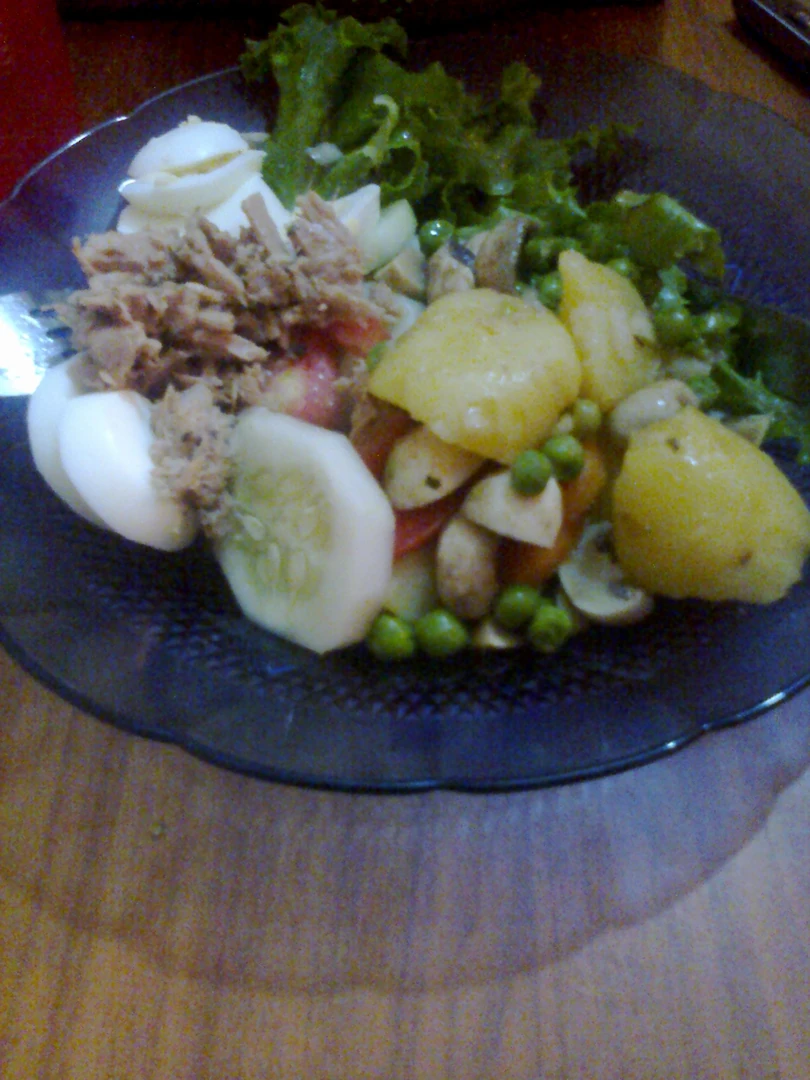
A balanced pattern can be built around familiar foods: vegetables, legumes, whole grains, fruit, fish, eggs and other protein sources that suit your budget and health needs.
Supplements are not neutral
“Natural” prostate supplements can interact with medicines, vary in quality, or delay proper assessment. If you use one, tell your clinician exactly what it contains.
Practical takeaway
Use this information to improve observation and communication, not to replace examination or professional judgement. If symptoms persist, recur or worry you, arrange appropriate medical care.